How it works
Seven stages showing what IE checks, what Codex proposes, and what a human decides.
The operating rule
Model output, including the report returned from Codex, is proposal material. Deterministic analysis gives the operator evidence, not proof. Humans confirm scope, accept planning, review the result, and separately approve or reject memory suggestions.
Guided Mode does not currently run a live governed LLM review. The AI-assisted step is a manual handoff: IE prepares context and instructions, the operator uses Codex, and IE receives the pasted report for validation and review.
Three different responsibilities
Deterministic
Establish source facts, prepare context, check references, analyze the pasted report, and verify workflow state.
AI-assisted
Codex reasons about the prepared task through a manual copy-and-paste exchange in the current demo.
Human-reviewed
The operator chooses the work, accepts the plan, reviews the result, and approves or rejects suggested memory.
- 01
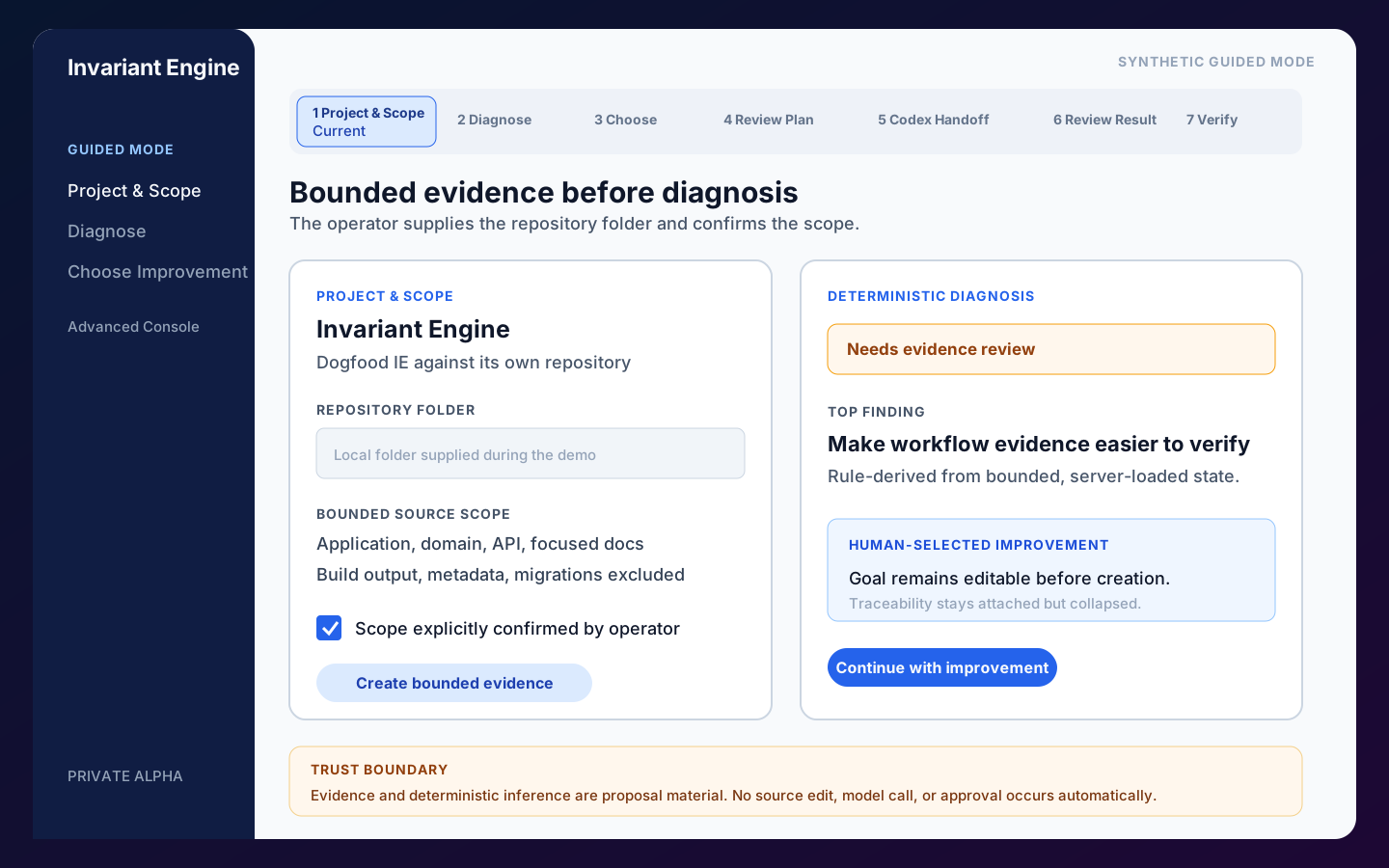
Ground the project
Batch 1 Human setup + deterministic scanThe operator supplies the repository root, reviews the include and exclude scope, and confirms it before IE captures evidence.
- 02
Diagnose the current state
Batch 1 DeterministicIE evaluates server-loaded source, memory, onboarding, contradiction, Context Pack, drift, and compiler signals. Missing evidence stays unknown.
- 03
Choose one improvement
Batch 1 Human decisionA human reviews the evidence behind one finding, chooses whether to continue, and edits the scoped requirement.
- 04
Build and review the plan
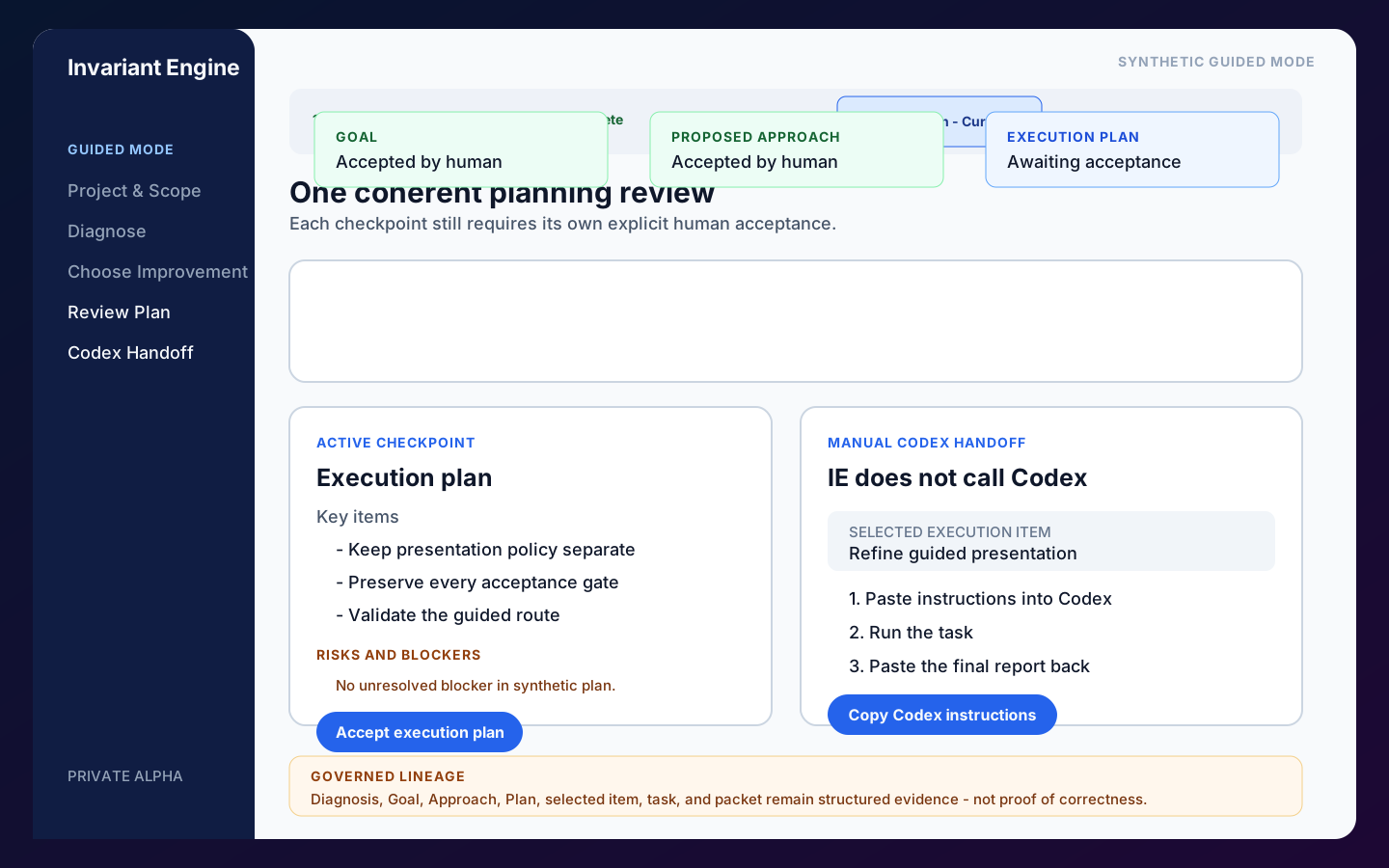
Batch 2 Deterministic structure + human gatesIE creates the Brief, Outline, and Plan as separate records. The operator reviews and accepts each one before the work can advance.
- 05
Prepare the AI handoff
Batch 2 Manual AI handoffIE turns one accepted plan item into a scoped task packet. The operator manually copies that packet into Codex; Guided Mode does not call a model here.
- 06
Validate and review the result
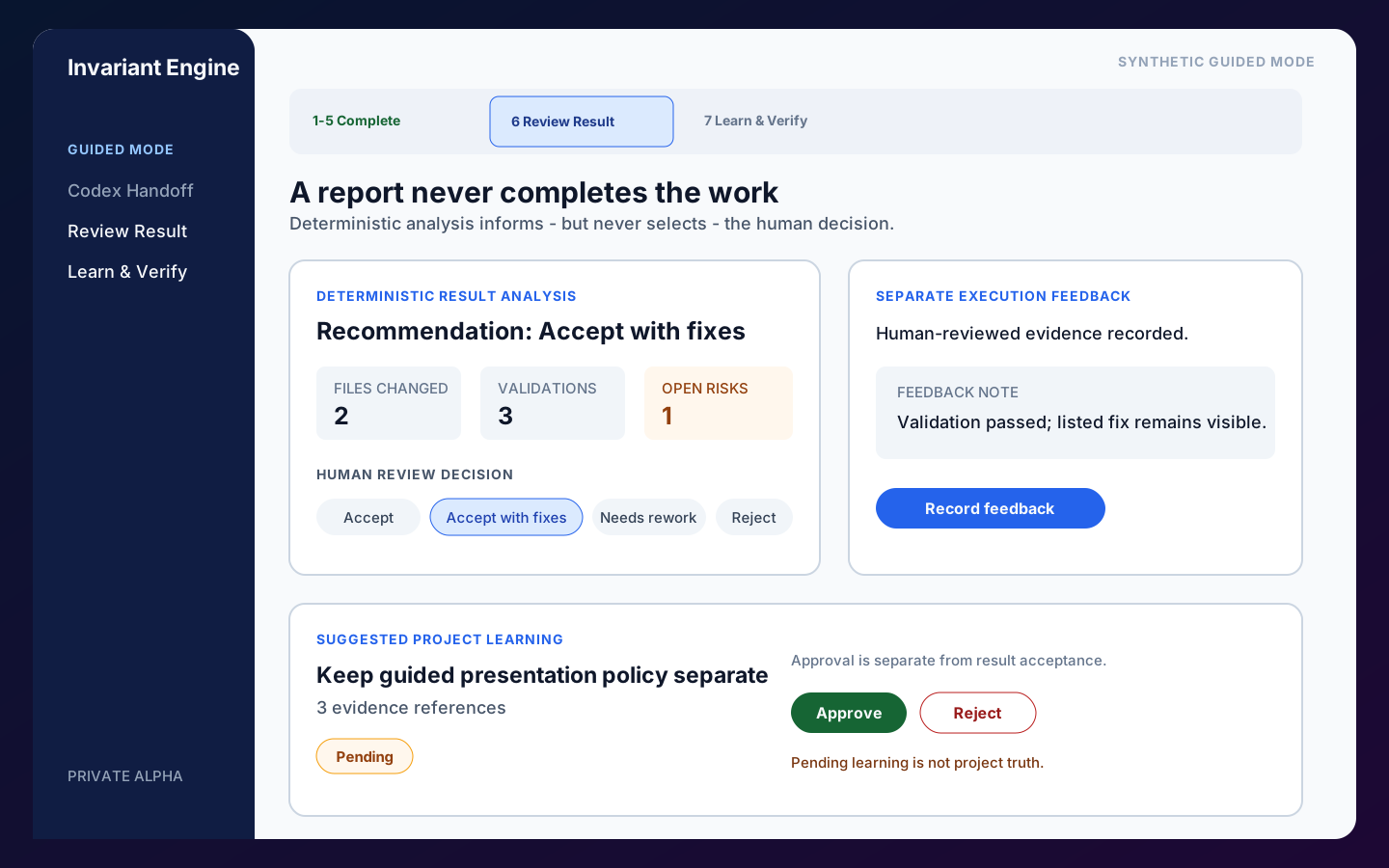
Batch 3 Deterministic check + human reviewThe operator pastes the Codex report into IE. Deterministic analysis checks the report, then a human accepts it, accepts it with fixes, requests rework, or rejects it.
- 07
Record feedback, learn, and verify
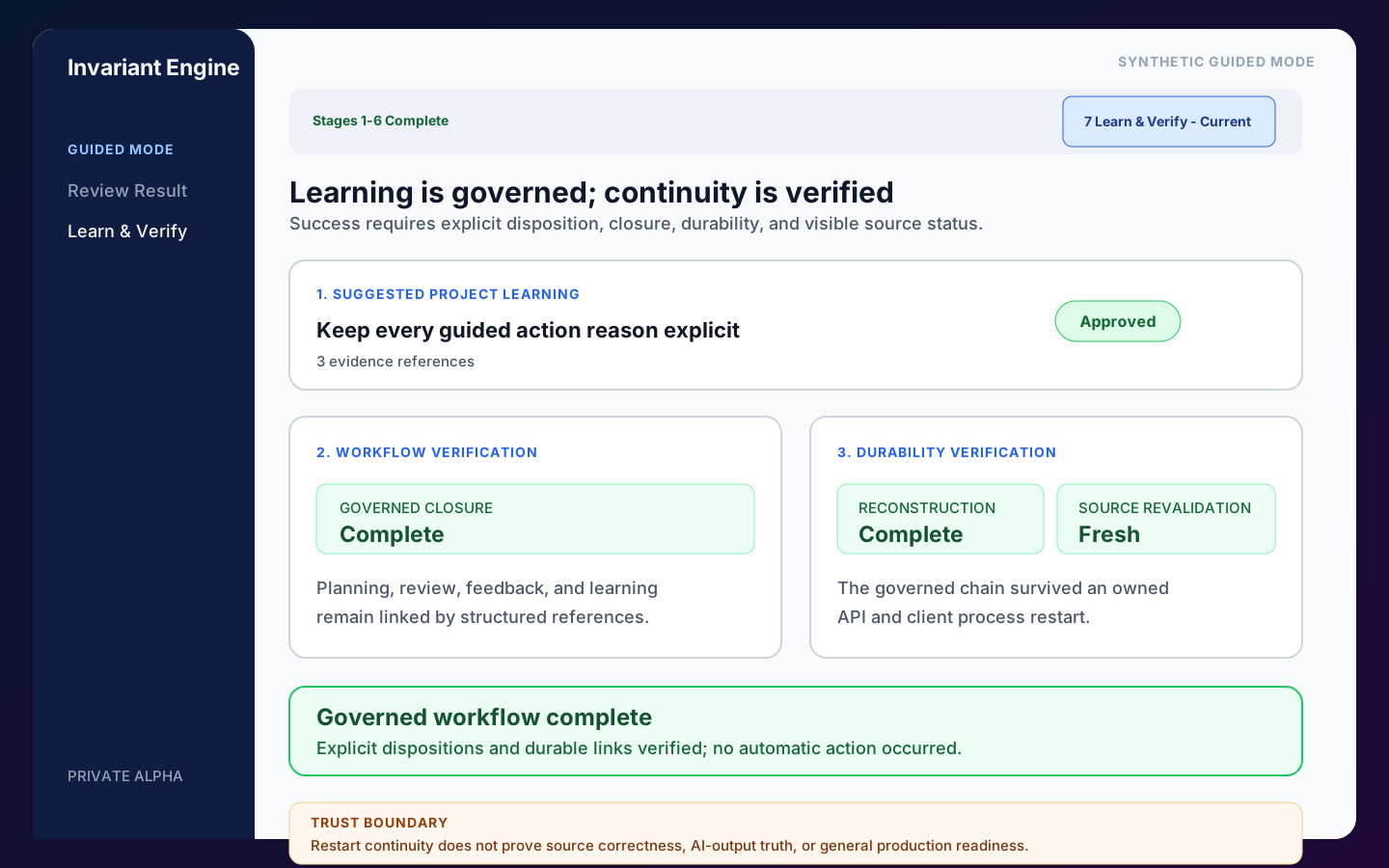
Batches 3–4 Human decision + deterministic verificationIE records execution feedback, keeps selected learning pending until a separate human decision, checks closure, and can verify the saved workflow after restart.
Synthetic workflow illustrations
These are illustrations, not live product screenshots. They summarize the implemented Batch 1–4 flow without exposing private repository or environment data. Labels are generic and local identifiers are omitted.
Current boundary
The full workflow has survived a real API/client restart against durable state. That proves the demonstrated private-alpha workflow can be reconstructed after restart. It does not prove code correctness, make AI output true, or enable autonomous improvement. IE is not generally production ready, and the repository remains private.
Batch 5 adds the clean-checkout repeatability rehearsal, operator runbook, and sanitized review package. It verifies that the demonstrated process can be repeated; it does not add model, execution, or Engine capability.